Haskap Berries
A northern superfruit with depth, intensity, and purpose
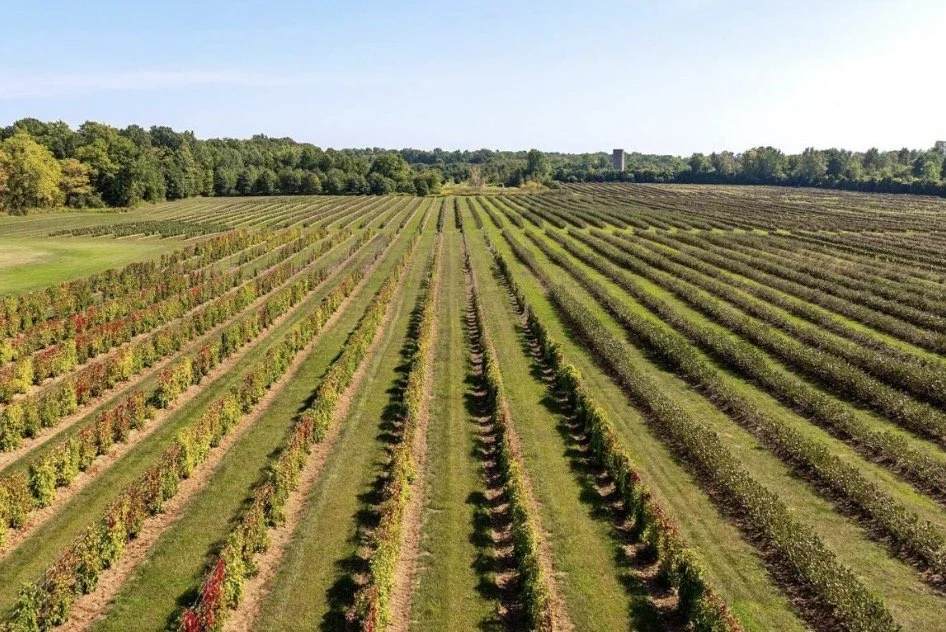
Grown in southwestern Ontario • Available fresh & frozen
Cold-Climate Origin
Why Haskap Is Different
Deep Pigmentation
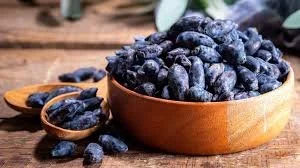
Clean Flavour Cue
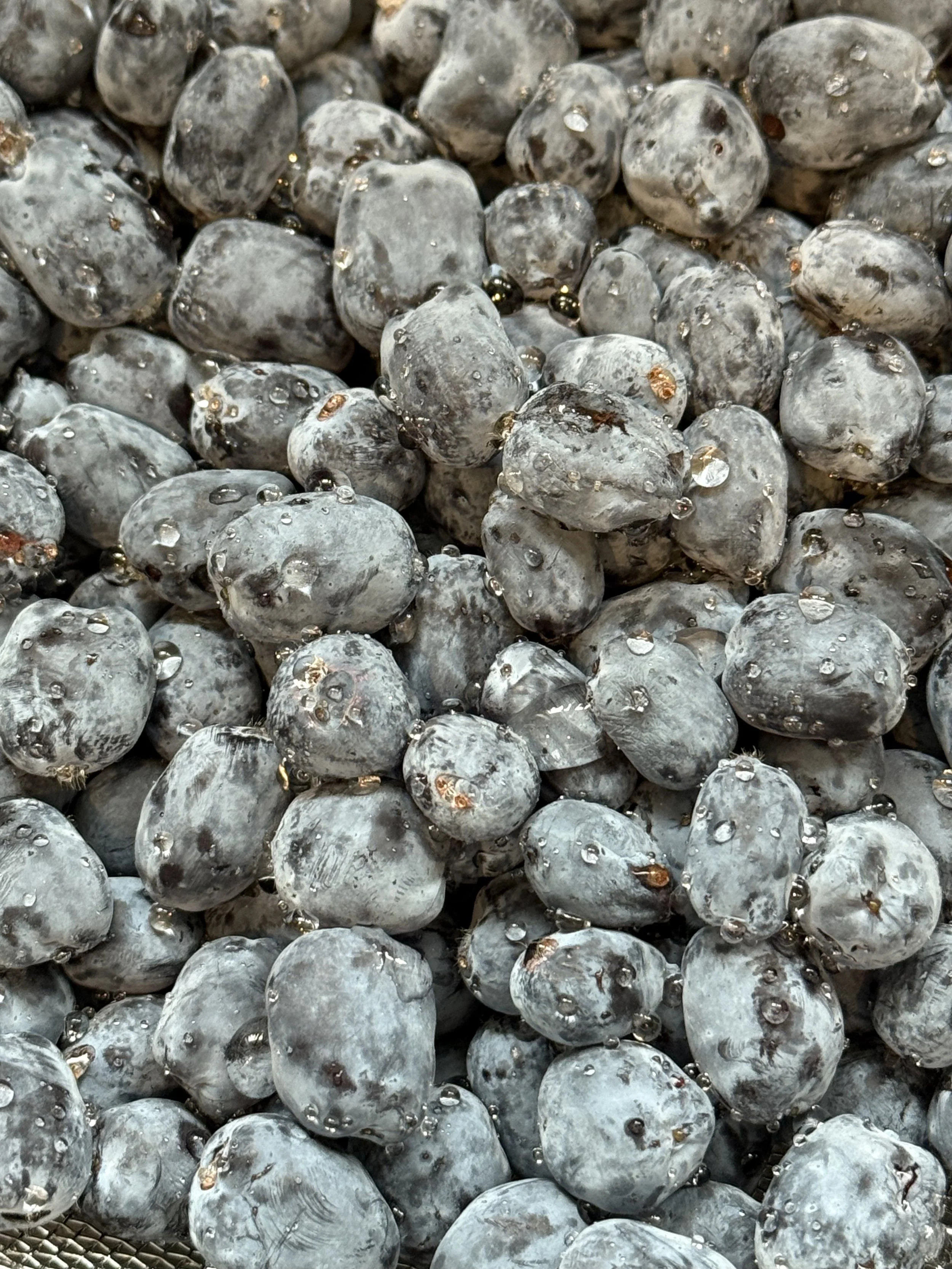
Frozen Performance
Cold shapes this berry.
What Are Haskaps
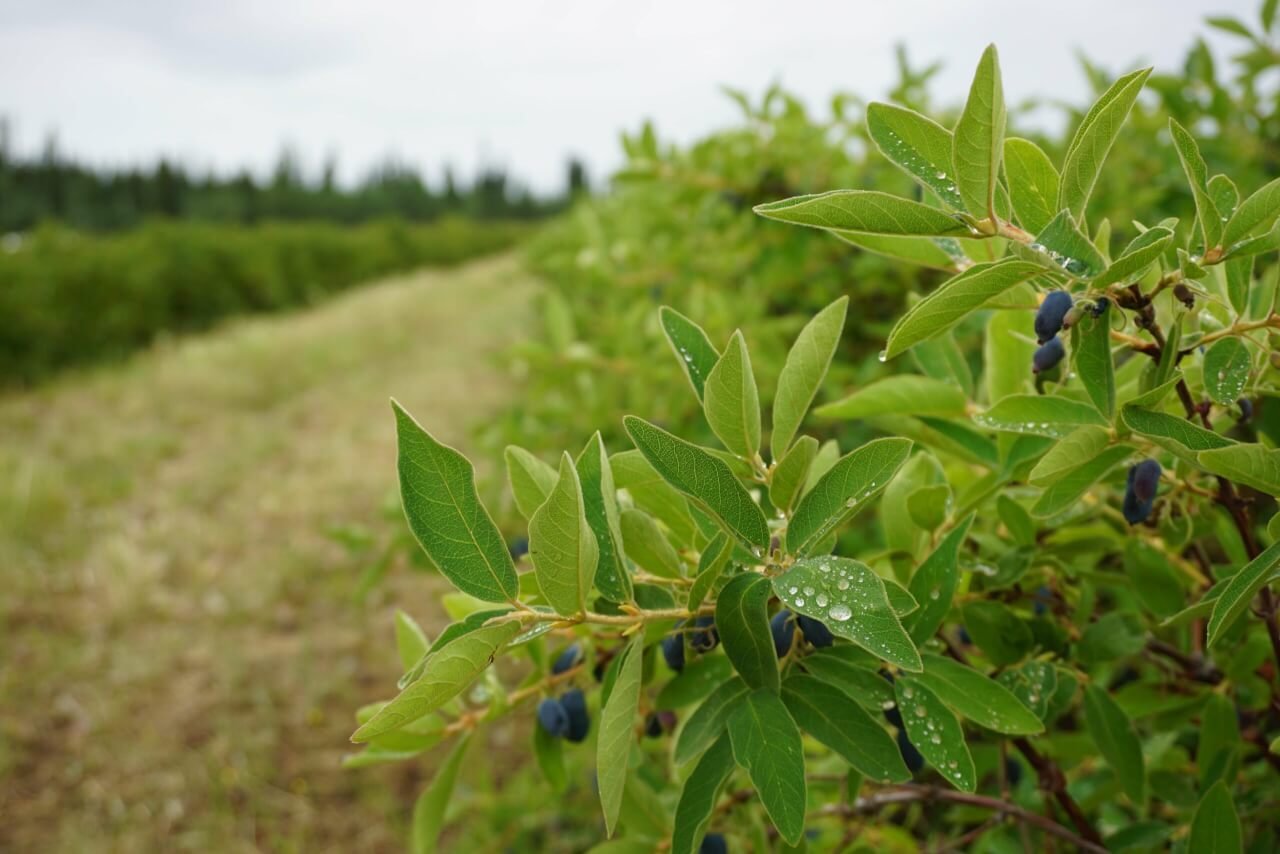
Haskaps are a rare cold-climate super berry native to the northern regions of North America, Asia, and Europe. They are among the earliest berries to ripen each year, thriving in long winters and cool springs where most fruit crops struggle.
These conditions do more than allow haskaps to grow. They shape the berry itself, contributing to its deep colour, concentrated flavour, and distinctive composition.
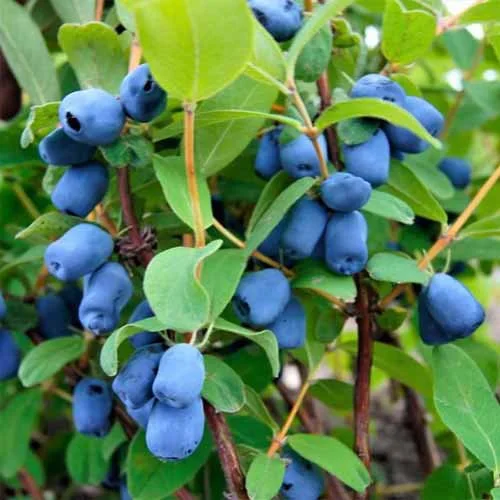
Where the Name “Haskap” Comes From
The name Haskap comes from the Indigenous Ainu people of northern Japan, who have gathered and valued the berry for generations. The word is commonly associated with long life and vitality, reflecting traditional cultural regard rather than modern nutritional claims.
This cultural meaning is why the Japanese name has endured, even as Haskaps have gained attention as a modern super berry.
Why Haskaps Are Considered a “Superfruit”
Haskaps are often described as a super berry because of their naturally concentrated character and intensity compared to many everyday fruits.
Shaped by extreme cold and long northern growing seasons, haskaps are forced to develop more colour, more flavour, and more plant compounds as a matter of survival — not marketing.
As a result, haskaps are known for:
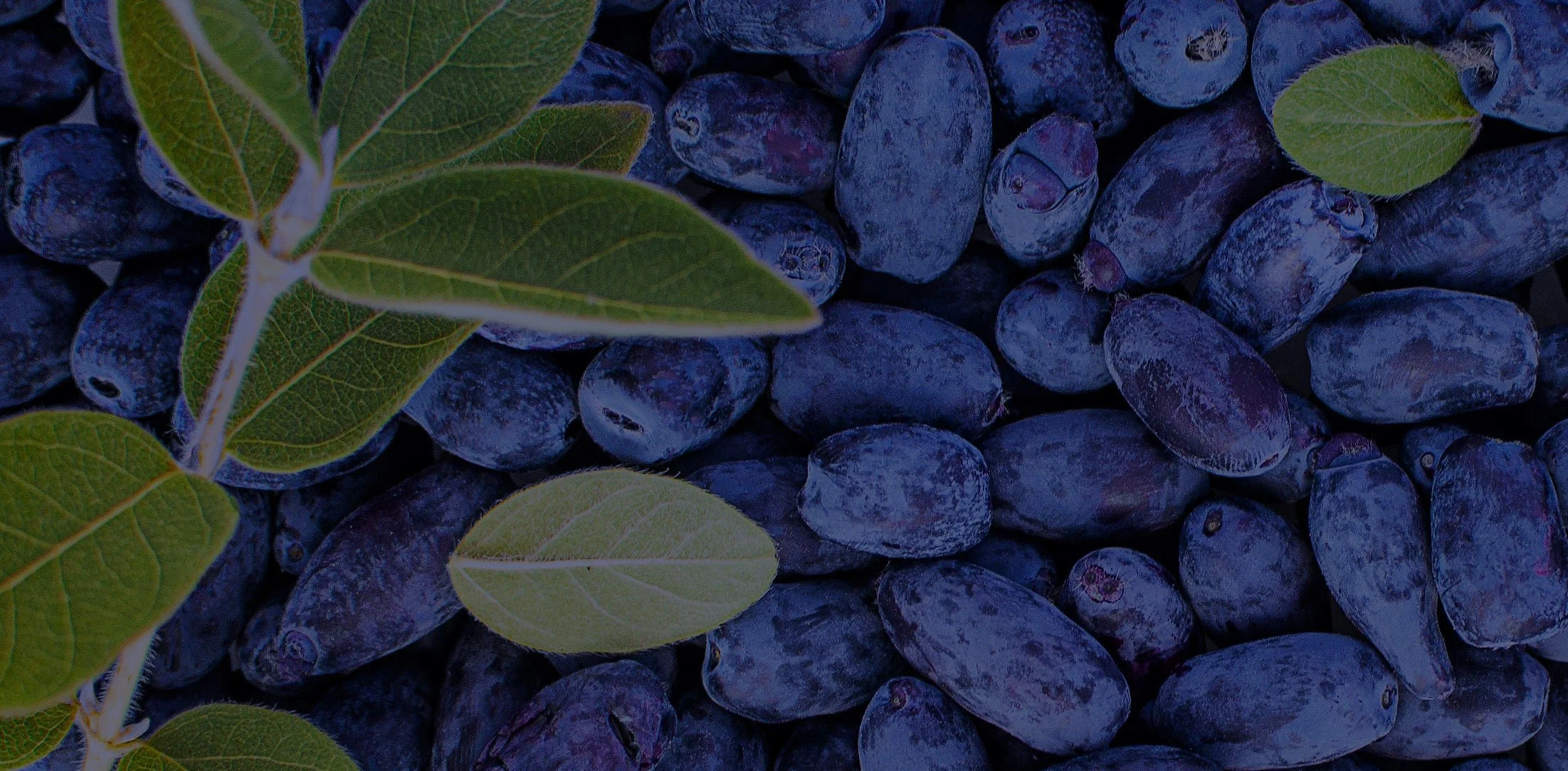
Exceptionally high anthocyanin presence, visible in their almost inky blue-purple skin
A dense and complex polyphenol profile, characteristic of berries studied for functional nutrition
Natural concentration driven by a high skin-to-flesh ratio, rather than added sugars or processing
A lower-sweetness, high-impact flavour, offering depth instead of dilution
This is why haskaps are increasingly positioned among the most powerful berries grown in cold climates — not as a trend, but as a consequence of how and where they grow.
Haskaps aren’t designed to be mild — they’re designed to be effective.
Research has shown that some haskap varieties can contain several times the anthocyanin levels found in blueberries.
Why Researchers Are Paying Attention
Modern science is now paying attention to what northern cultures understood long before nutrition research existed.
Current research is actively exploring:
The unusually high anthocyanin content of haskaps, visible in their deep blue-purple colour
How dark-coloured berries function within cardiovascular and metabolic health research
Relationships between berry intake and cognitive performance and physical endurance
Why cold-climate stress appears to increase plant compound concentration
How haskaps compare, compositionally, to more common berries such as blueberries
This growing body of work is why haskaps are increasingly described in academic literature as a high-interest, nutrient-dense berry.
Interest in haskaps is driven not by trends, but by how their composition fits into broader approaches to everyday nutrition.
Valued Long Before Modern Nutrition
For centuries, haskaps have been consumed across Japan, Russia, China, the Kuril Islands, and other northern regions of Asia. In environments where food needed to do more than simply fill calories, berries like haskap were chosen for their intensity, resilience, and perceived benefits.
Traditional uses included fresh consumption and berry infusions, forming part of everyday diets in cold, demanding landscapes where nourishment and reliability mattered.
Behind the Colour Is Real Composition
Haskap berries are naturally rich in anthocyanins, flavonoids, and other polyphenols — plant compounds commonly found in deeply pigmented fruits and responsible for the berry’s distinctive indigo colour. These naturally occurring compounds are widely studied in nutrition science and contribute to the unique profile that haskap berries are known for.
Haskap berries are also a source of vitamin C, a nutrient that contributes to normal immune function and plays a role in collagen formation for healthy skin and connective tissue. They provide dietary fibre and naturally occurring minerals such as potassium, magnesium, calcium, and iron, all of which are essential nutrients as part of a balanced diet.
Enjoyed fresh, frozen, or dried, haskap berries deliver bold flavour, striking colour, and natural nutritional complexity— without needing exaggeration.
Flavour & Varietal Character
Haskap flavour varies by variety and harvest timing, but when picked at peak ripeness the berries are bright, complex, and deeply satisfying.
They are often described as a blend of raspberry and blueberry, with deeper notes that can resemble black currant, blackberry, plum, rhubarb, or saskatoon berry.
The result is a berry that delivers depth without excessive sweetness, making it as appealing to cooks and bakers as it is for everyday eating.
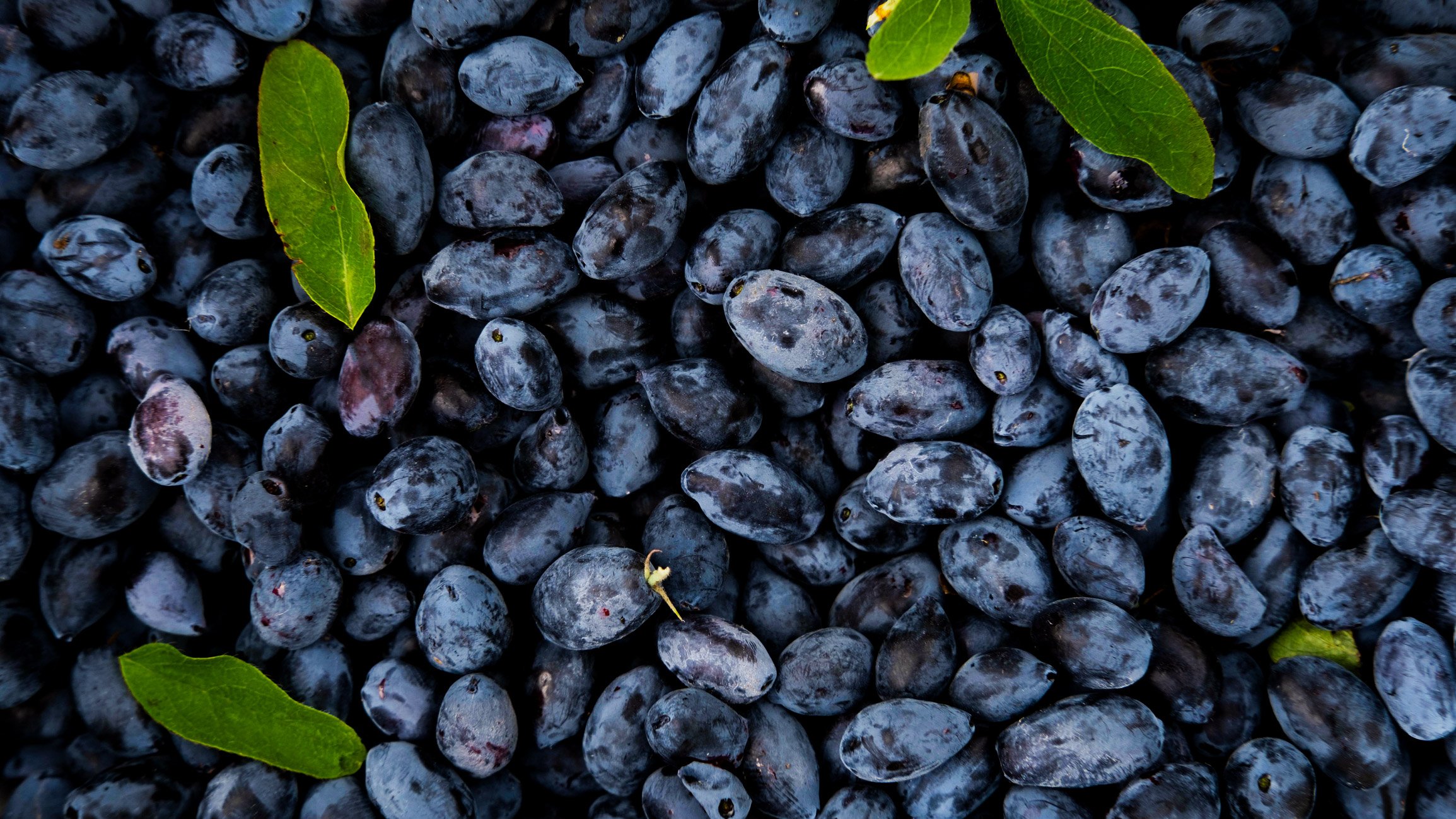
A Berry Built for Everyday Use
Haskaps fit naturally into everyday eating. Their structure, colour, and flavour hold up well, whether enjoyed fresh in season or frozen for year-round use.
Everyday Use
Fresh during the short season
Stirred into yogurt, oatmeal, or granola
Added to smoothies for colour and depth
Kitchen & Preservation
Frozen for baking, sauces, and compotes
Used in preserves, syrups, or reductions
Works well in savoury applications where balance matters
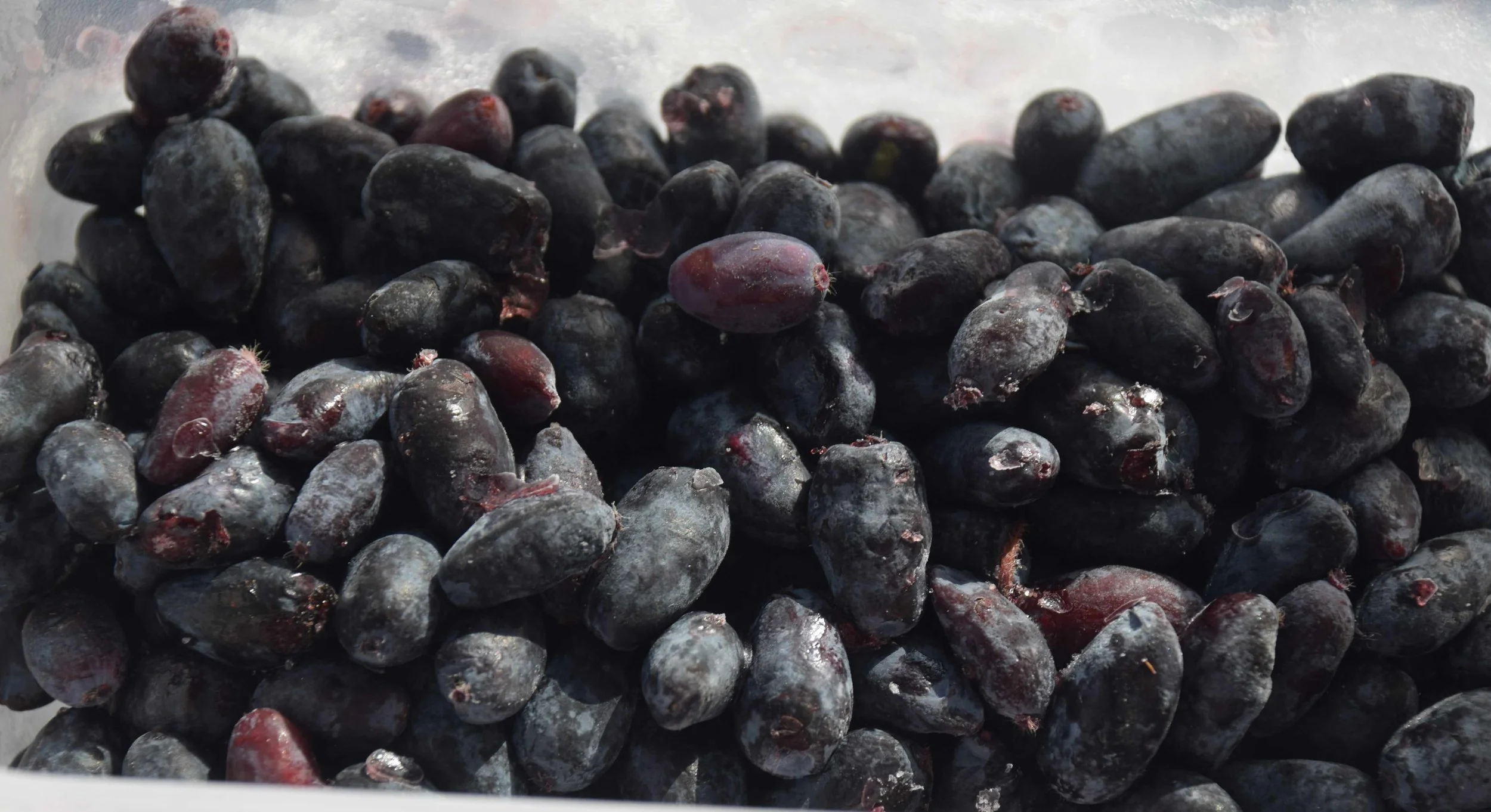
Haskaps retain colour, flavour, and structure exceptionally well, making them especially well suited to freezing.
Haskaps earn their place through flavour, structure, and reliability — fresh or frozen.
Grown at Xander Farms in southwestern Ontario, and occasionally supplemented by select growers whose berries meet the same standards of quality and character as our own.
Information provided is for general educational purposes and reflects the natural composition of whole foods.